The Stonehouse Gardening Club was recently treated to an enlightening talk by Sally Nex, a celebrated and enthusiastic speaker renowned for her expertise as an RHS author. The topic of the day was “Growing Fruit in Small Gardens,” a subject close to the hearts of gardeners with tiny gardens, yards, or just a balcony, those seeking sustainable, productive, and low-maintenance pest solutions.
Advantages of Fruit Growing
Growing fruit is very doable, even in small spaces, and is a wonderful addition to any garden. Firstly, fruit cultivation is a sustainable practice that contributes to a greener environment. The inherent biodiversity in fruit gardens, coupled with the reduction of food miles, makes it a commendable choice for environmentally conscious gardeners.
Secondly, the productivity of fruit-bearing plants is remarkable. With careful planning and strategic planting, even the tiniest of spaces can yield a bountiful harvest. Sally emphasized that it is possible to have a flourishing garden within a limited space.
Lastly, the low-maintenance nature of many fruit varieties makes them an ideal addition to small gardens. With the right choices and techniques, gardeners can enjoy the fruits of their labour without an overwhelming time commitment.
Growing Techniques for Small Spaces
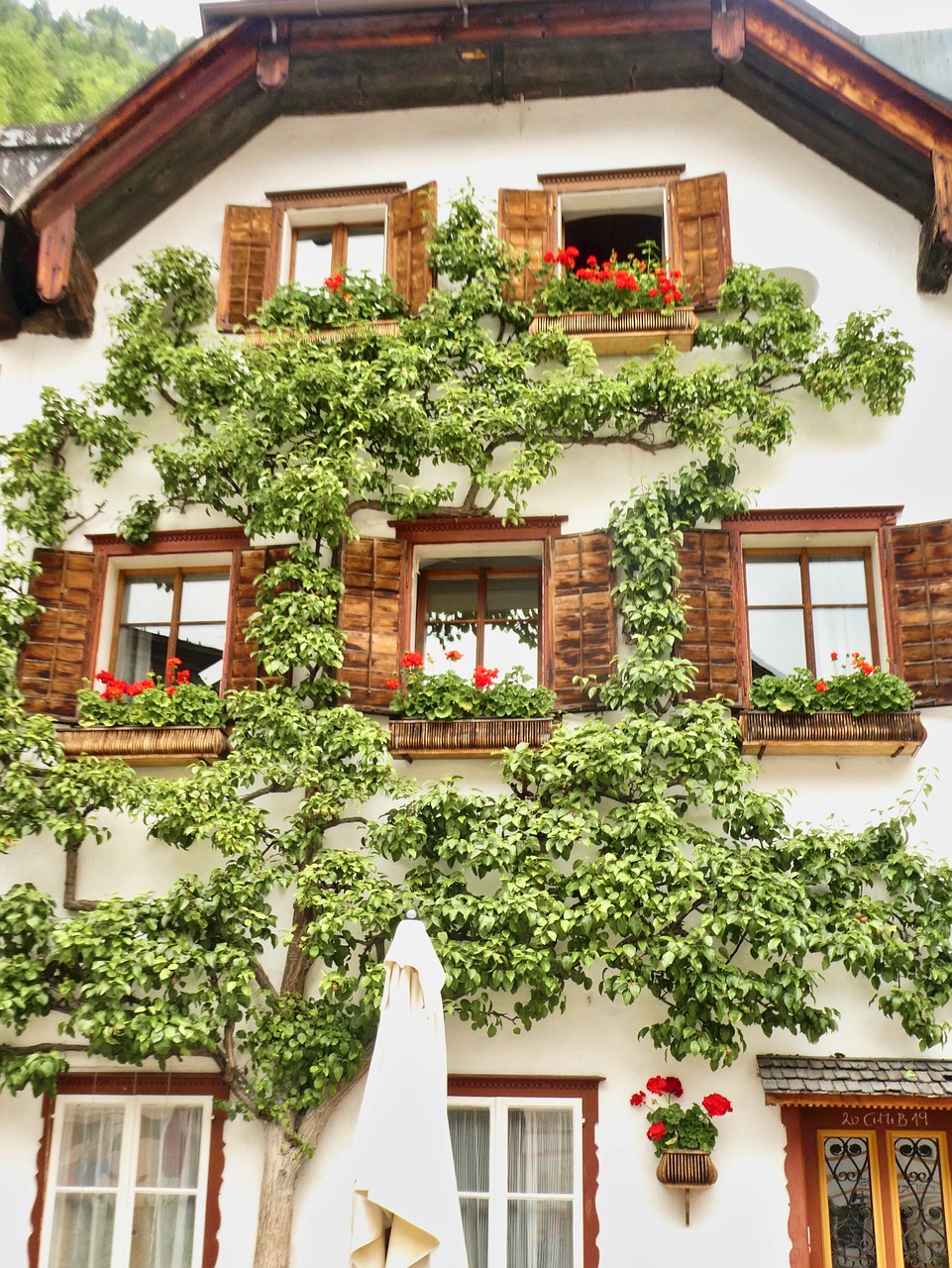
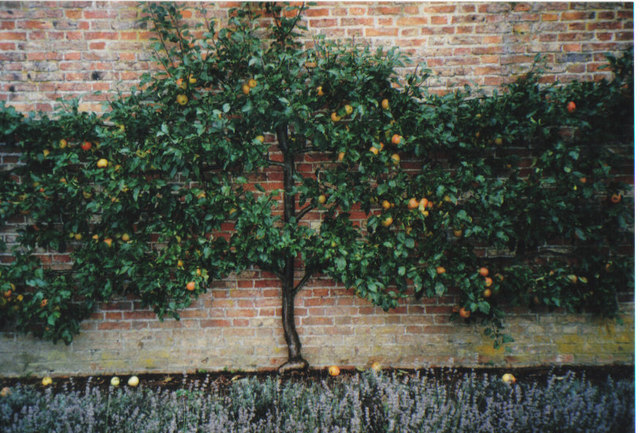
As for the practical aspects of growing fruit in limited spaces, there are a variety of techniques available. Among these, is the versatility of having espaliered trees, or growing them against a wall.
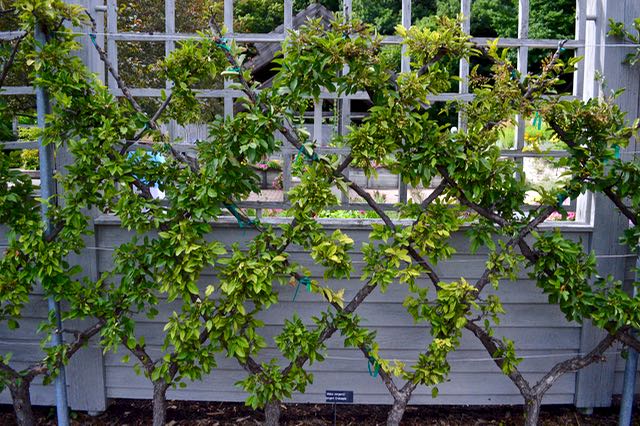
For those with more garden space, Sally detailed the art of training fruit trees in various forms. These included espalier, fan-shaped, cordon, and stepovers. Each method is designed to maximize yield while minimizing the space needed. Sally shared her insights on the benefits of each form, allowing the audience to choose the best fit for their garden.
Espaliered Trees: A Closer Look
One way to have fruit trees in a small space is to espalier them. It is easier than you think. The key requirements for success are:
- A supporting structure, such as a fence, wall, or posts with wires
- The selection of a semi-dwarf rootstock to ensure a balanced tree size, neither too large nor too small. Sally recommended specific rootstocks for espaliered fruit trees, such as M9/M26 for apple trees, Pear Tree Quince C for pears, and Colt/Gisela5 for cherries. For plums and peaches, she suggested Pixy/St. Julien as suitable rootstocks.
Berry Fruit against Walls
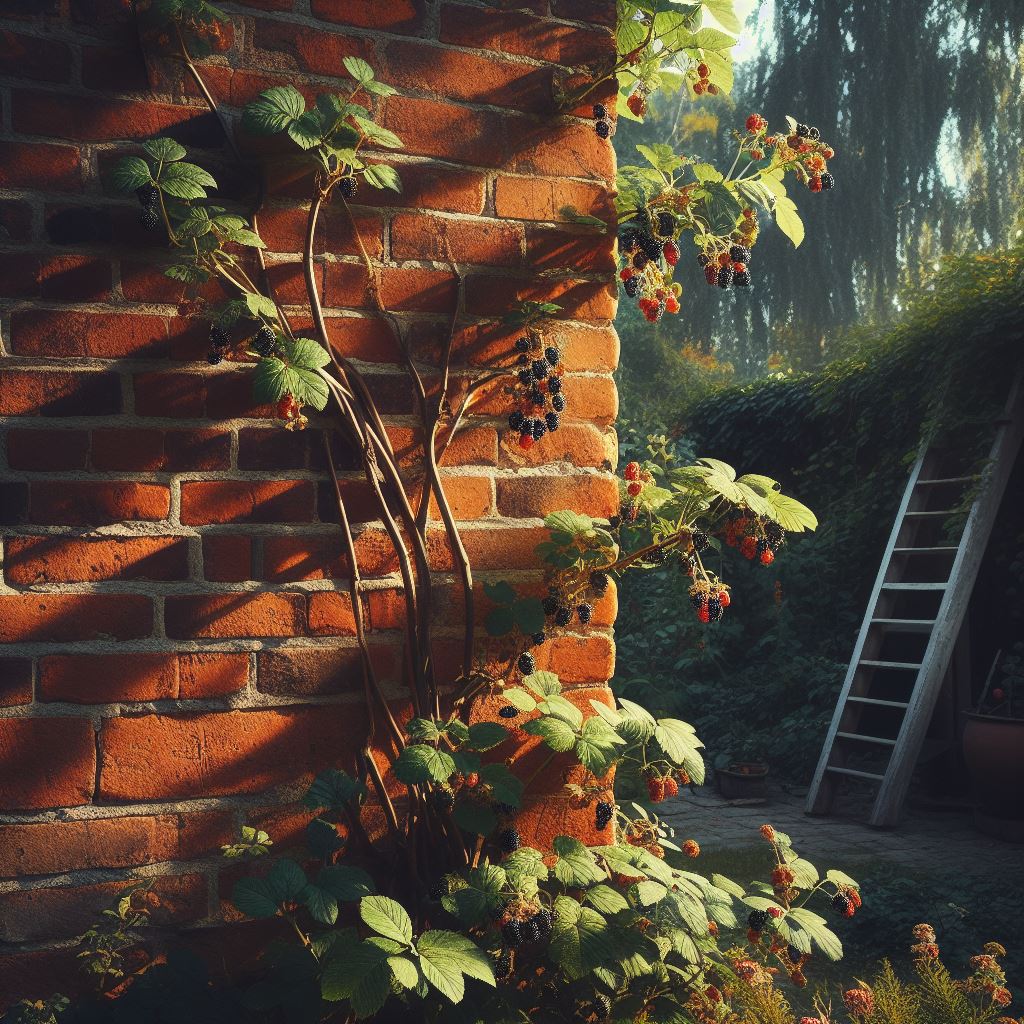
As for berry fruit, with blackcurrant as the exception, they flourish grown against walls, regardless of size. Use nails in the wall to secure the canes, ensuring proper support for the growing plants. Judicious pruning is also very important. Redirect branches away from the wall allows for optimal fruit ripening.
Gooseberries, for one thing, seem almost made for wall cultivation, as it helps them to be resilient against pests like sawflies. Putting berry fruit or even large fruit like pears upon a trellis is also a good way to prevent pests.
Sally Nex’s talk at the Stonehouse Gardening Club was a masterclass in maximizing fruit cultivation in small spaces. Through her expertise and engaging delivery, she inspired both novice and experienced gardeners to embrace the sustainable, productive, and low-maintenance joys of growing fruit, proving that a flourishing garden is possible regardless of its size. The attendees left with a newfound enthusiasm for cultivating their own fruitful havens.
 Stonehouse Gardening Club
One Comment Add yours